
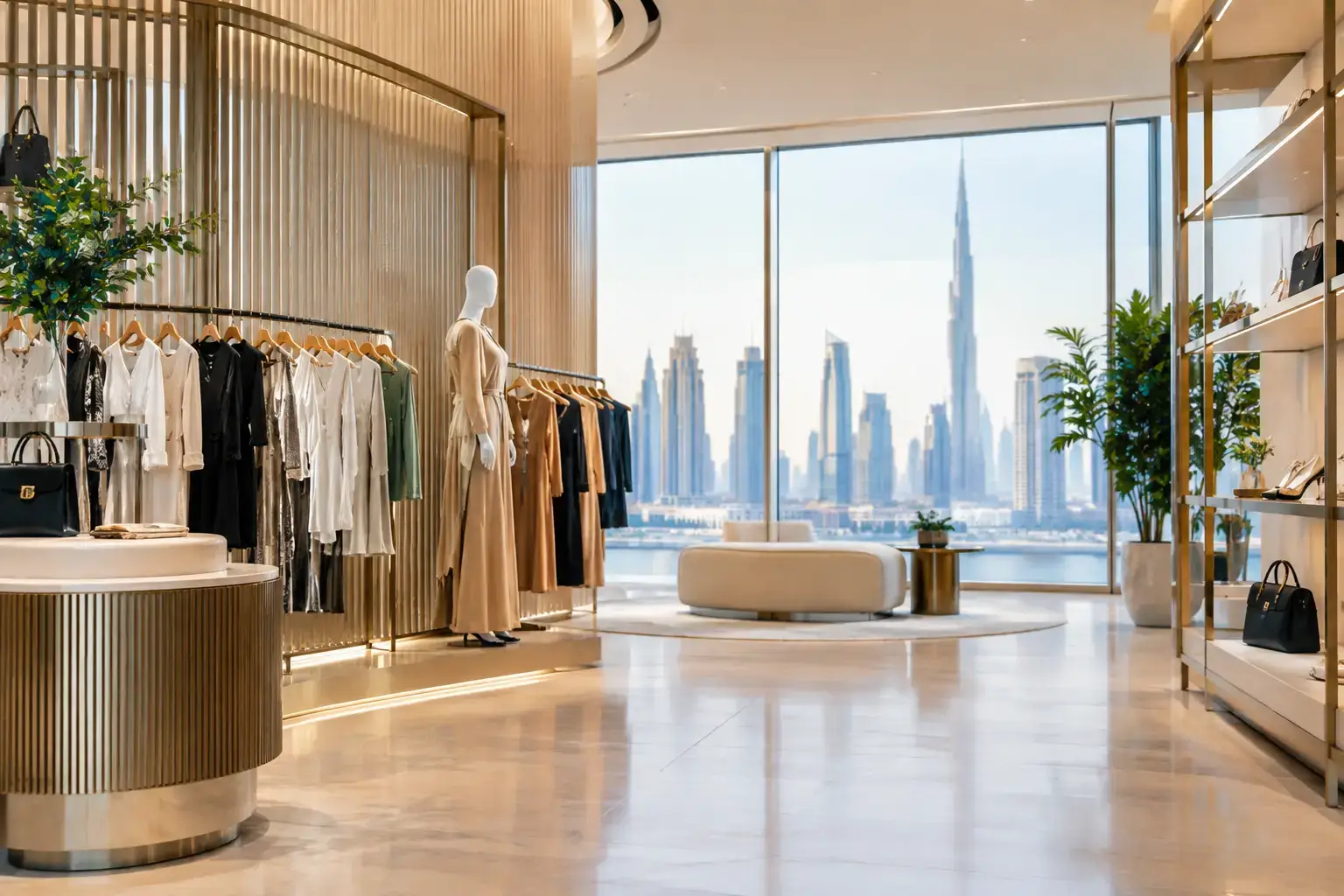
A retail space has only a few seconds to communicate its value. Before a customer touches a product or speaks to a team member, the lighting, layout, materials, and atmosphere have already shaped an impression. The most effective retail interiors trends are not about following a short-lived look. They help stores create a clear brand experience, make shopping easier, and give customers a reason to stay longer.
For retailers in Dubai and across the UAE, this matters even more. Customers have access to global brands, high-quality malls, and fast online shopping. A physical store must therefore offer more than a transaction. It must feel purposeful, memorable, and aligned with the expectations of a design-conscious market.
Retail Interiors Trends That Create Better Store Experiences
Flexible layouts are replacing fixed floor plans
Retailers increasingly need spaces that can change without a complete renovation. Product launches, seasonal collections, promotional campaigns, and in-store events all require adaptable display areas. Instead of permanent fixtures across the entire floor, many stores are using movable shelving, modular plinths, lightweight partitions, and flexible lighting tracks.
This approach gives brands more control over how customers move through the space. A fashion retailer may create a focused feature zone for a new collection, while a beauty store may convert part of its floor into a consultation area during a campaign. The advantage is commercial as well as visual: a layout can respond to sales performance rather than remain fixed for years.
Flexibility does require careful planning. Too many movable units can make a store feel temporary or disorganized. The right fit-out strategy combines adaptable elements with a strong spatial structure, so the store remains polished even when displays change.
Experience zones are becoming part of the sales floor
The strongest stores are no longer designed as rows of products alone. They give visitors opportunities to test, personalize, learn, or pause. This may include fitting rooms with improved lighting, fragrance discovery counters, product demonstration tables, lounge seating, consultation corners, or areas for workshops and events.
These zones are particularly valuable for brands selling products that benefit from human guidance. A customer purchasing skincare, eyewear, furniture, or premium fashion often wants reassurance before making a decision. A well-designed consultation area adds privacy and comfort without separating the customer from the wider store environment.
The key is relevance. Not every retailer needs a coffee bar or an event stage. Experience areas should support the product, customer journey, and available floor area. In a compact shop, even a well-planned demonstration counter can provide more value than an oversized display that customers cannot comfortably navigate.
Material choices are becoming warmer and more tactile
Highly polished interiors still have a place in luxury retail, especially where a brand identity calls for a crisp, contemporary finish. However, many current projects are moving toward warmer material palettes that create a more welcoming and distinctive atmosphere. Natural wood, textured stone, fluted surfaces, brushed metals, plaster finishes, fabric panels, and layered rugs are being used to add depth.
This direction helps physical retail feel less generic. When every surface is glossy and every fixture looks identical, the space can resemble a showroom rather than a brand environment. Texture gives customers a sensory connection to the store and can make the experience feel more premium.
Material selection should also be practical. High-traffic retail interiors need finishes that can withstand cleaning, product movement, and daily use. A professional design and fit-out team considers durability, maintenance requirements, fire safety, and long-term appearance alongside visual impact. Premium design is not simply about expensive materials. It is about selecting the right materials for the way the store operates.
Lighting is being designed around products and people
Retail lighting has become more deliberate. General ceiling lights alone rarely create the visual hierarchy a store needs. Layered lighting is now used to define product zones, highlight focal displays, improve color accuracy, and guide customers through the space.
For example, warm accent lighting can make jewelry, cosmetics, and hospitality-inspired retail areas feel more inviting. Brighter, neutral lighting may be better for apparel, technology, or grocery concepts where customers need to assess product color and detail. Fitting rooms require special attention because harsh lighting can discourage purchases, while flattering but inaccurate lighting can damage trust.
Energy efficiency should be part of the decision. LED systems, dimmable controls, and zoning can lower operating costs while allowing the atmosphere to shift between daytime trading, evening events, and seasonal campaigns. Technology is useful when it supports the customer experience rather than becoming a distraction.
Brand Identity Is Leading Retail Interior Decisions
A store should feel recognizable before a customer sees a logo. This is why branding is moving beyond signage and printed graphics. Color palettes, materials, furniture forms, scent, lighting temperature, and the rhythm of the layout can all express a brand’s personality.
A minimalist premium brand may use open circulation, restrained finishes, and carefully spaced displays to communicate confidence. A youthful lifestyle brand may use bolder colors, interactive displays, and more energetic visual moments. Neither approach is automatically better. The successful choice depends on who the customer is and what the brand promises.
Consistency matters across physical and digital channels. Customers who encounter a brand online should recognize the same character when they enter the store. This does not mean copying a website onto the walls. It means translating the brand’s visual language into a physical setting that feels authentic and functional.
Local character is adding distinction
International retail concepts often need refinement for the Dubai market. A design that works in another city may not respond to local customer behavior, climate conditions, mall requirements, or expectations around hospitality. Retailers are increasingly balancing global brand standards with local context through material selection, seating, privacy considerations, and culturally appropriate customer service areas.
This is especially relevant for brands entering the UAE for the first time. Local expertise can help prevent costly changes during construction and ensure that the finished space reflects both the brand’s standards and the needs of its audience.
Technology Should Support, Not Complicate, the Journey
Digital screens, smart mirrors, self-service tools, and digital product catalogs are common features in contemporary retail interiors. Used well, they can reduce friction and give customers more information without requiring additional floor space. A screen can show available sizes, product variations, styling options, or campaign content. A digital catalog can expand the visible product range in a small boutique.
Still, not every technology investment delivers a return. Screens with outdated content or complicated interfaces can make a store feel neglected. Technology should have a clear role in the customer journey, whether that is improving product discovery, supporting staff, reducing waiting time, or adding useful personalization.
The infrastructure must be planned early. Power points, data access, equipment ventilation, cable management, and maintenance access should be coordinated during the design phase. Adding these elements after the fit-out is complete often compromises both appearance and budget.
Practical Planning for Retail Renovations
Retail trends are most effective when they are connected to a realistic project plan. Before selecting finishes or approving display fixtures, retailers should assess customer flow, product categories, storage requirements, staff operations, accessibility, and future growth. A visually impressive store can still underperform if the checkout blocks circulation, stockrooms are undersized, or display zones make replenishment difficult.
Budget allocation also deserves careful attention. It is often wiser to invest in lighting, customer-facing feature areas, durable flooring, and quality joinery than to spread the budget across decorative elements with limited business value. A tailored design approach identifies where premium finishes will have the greatest effect and where practical alternatives can maintain the desired standard.
For retailers planning a new store or renovation in Dubai, Al Sahm Decoration Design provides design-and-execution support from concept development and space planning through material selection and fit-out completion. A coordinated process helps protect the brand vision while keeping functionality, quality, and project delivery in focus.
The best retail spaces do not chase every trend at once. They make customers feel welcome, make products easier to understand, and give the brand a physical presence worth returning to. When the interior is planned around those outcomes, the store becomes a lasting business asset rather than a short-term visual update.


Comments are closed